


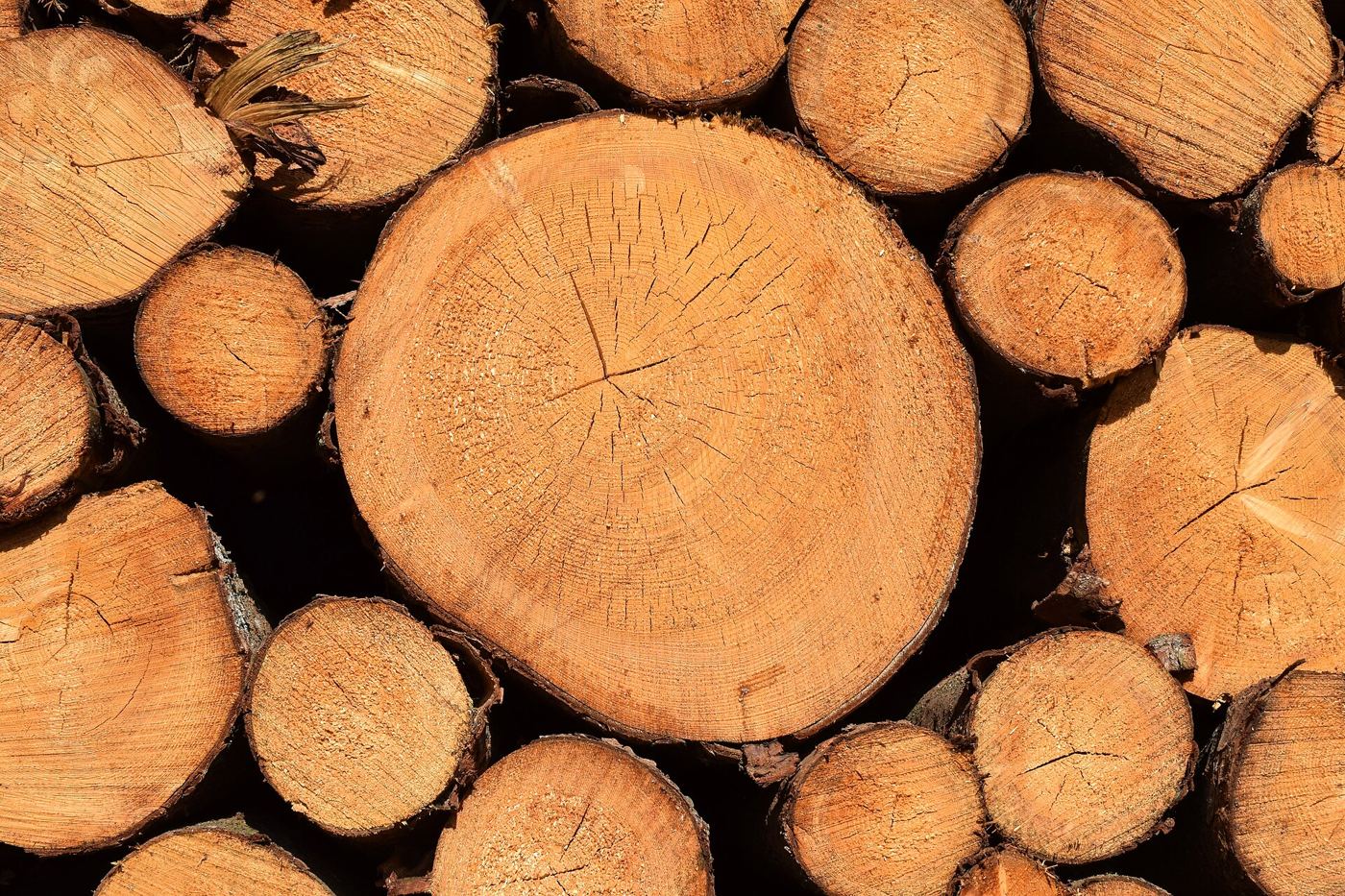
Every year a tree adds a ring of new wood beneath its bark, and the width of that ring records the year it grew in. In a wet, mild year the ring is wide; in a cold or dry year it is narrow. By matching the patterns of rings from living trees, fallen logs and ancient timber in old buildings, scientists can build a continuous record stretching back thousands of years, far beyond any written weather record. The oldest records come from bristlecone pines in the mountains of North America, some of which have lived for five thousand years, and from oaks preserved in the bogs of Europe. These tree-ring archives have revealed droughts that toppled civilisations, volcanic eruptions that cooled whole continents, and the slow warming of the last century.
What the Evidence Shows
The science, called dendrochronology, is also a dating tool. Archaeologists use it to date wooden beams in medieval churches and the timbers of shipwrecks, matching their rings against the master record to find the exact year the tree was cut. Climate scientists use the rings to check their models of the past, comparing the tree’s account of a dry century against the evidence from ice cores and lake sediments. The rings are not a perfect thermometer, since a tree’s growth depends on rainfall as well as temperature, and on the soil where it stands, so researchers combine many trees from many places. Together, the rings give a year-by-year account of the climate that no other natural archive can match. Reporting and analysis from sources such as National Science Foundation track the same developments, and specialists following the ancient tree ring records say the direction is now consistent across independent lines of evidence.
The Wider Context
The wider context is a research landscape in which replication and open data now decide reputations. Findings connected to the ancient tree ring records are being checked by independent groups with shared datasets, and the teams involved publish their methods in full so rivals can test every step. That discipline is slower than a headline cycle, but it is why results in this area increasingly survive first contact with scrutiny.
What Happens Next
What happens next in the story of the ancient tree ring records will be decided by follow-up work already under way: larger samples, longer observation and instruments that have not yet come online. The researchers involved are unusually united on one point, that the current results justify the next investment of time and money. Readers will not have to wait long for the first tests of that claim. You can follow related developments in our coverage of science.
There is a practical lesson in all of this for readers deciding what to do today. Start with the verified facts, be wary of anyone promising certainty, and prefer reversible steps while the evidence is still developing. Circumstances differ by country, income and personal situation, so general guidance should always be weighed against your own context before you act on it in any significant or lasting way.
