


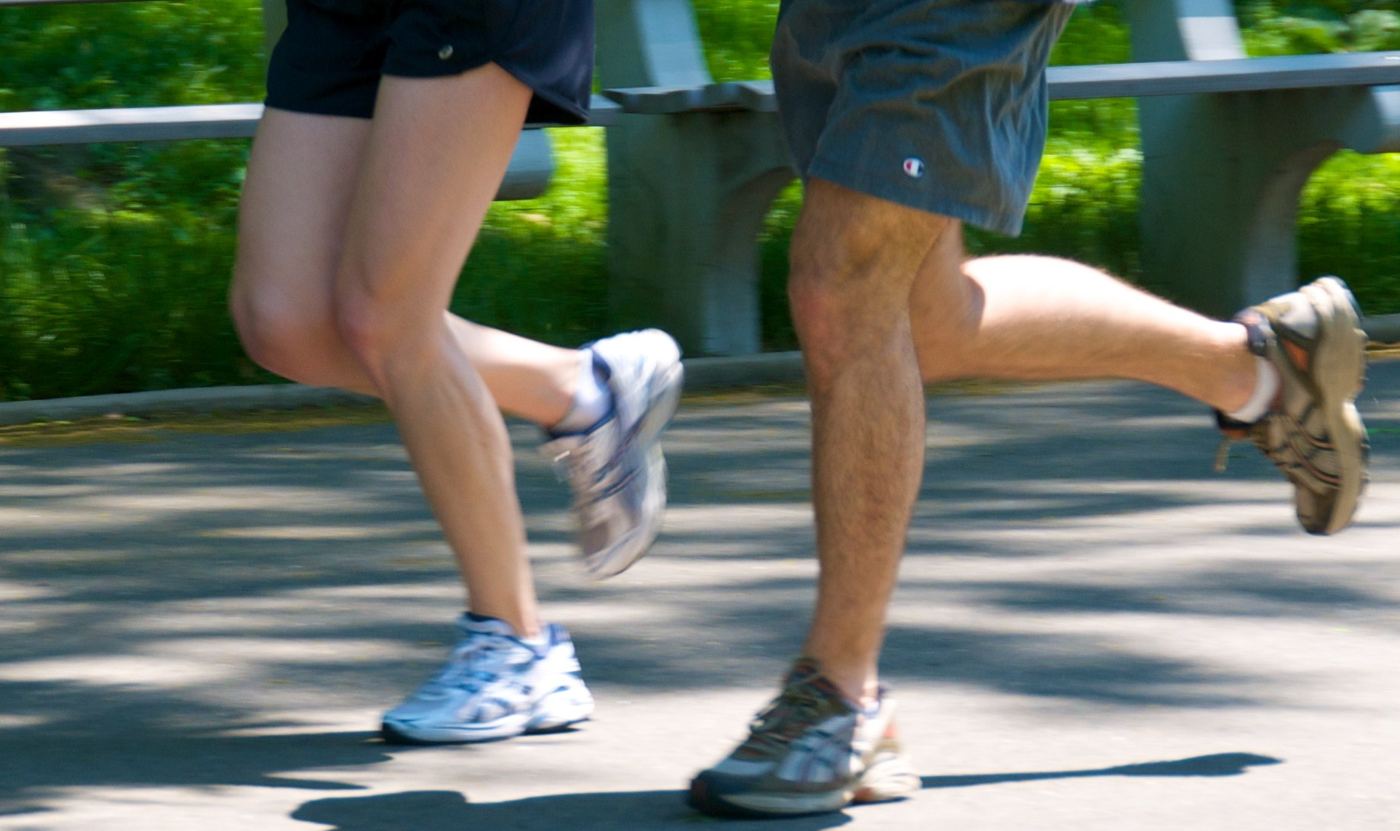
Free weekly park runs are bringing neighbours together to get fit, as volunteers organise timed runs that welcome everyone from fast runners to walkers. The idea is simple: the same park, the same morning each week, a measured course, and a friendly welcome for anyone who turns up. Runners and walkers of all abilities take part, from teenagers to grandparents, and many bring children, dogs and pushchairs. The timed format gives regulars a personal goal to beat, while the social side keeps people coming back: coffee afterwards, familiar faces and encouragement from volunteers. Health experts say the model works because it removes the usual barriers to exercise, with no fee, no membership and no special kit beyond comfortable shoes. For many participants, the Saturday run has become the most sociable hour of the week.
What the Evidence Shows
Experts advise newcomers to start by walking the course, or by alternating short runs with walking, and to build up distance over several weeks. Comfortable shoes and weather-appropriate clothing matter more than fancy gear, and a bottle of water is useful on warm days. Volunteering as a marshal or timekeeper is a good way to take part while recovering from injury or on a rest week. Anyone with a health condition should check with a clinician before starting running. Local running groups and online listings can help newcomers find their nearest event. For communities, health experts say, a free weekly park run is a simple idea with a big payoff: fitter neighbours, new friendships and a park that feels alive every weekend. Reporting and analysis from sources such as National Institutes of Health track the same developments, and specialists following free weekly park runs say the direction is now consistent across independent lines of evidence.
The Wider Context
The wider context is a health system trying to move from treating illness late to preventing it early, against budgets that reward the opposite. Evidence around free weekly park runs is being weighed by guideline committees that ask two questions in order: does it work, and can ordinary services actually deliver it at scale. Many good ideas pass the first test and stall on the second.
What Happens Next
What happens next for free weekly park runs depends on the slow machinery of guidelines, funding and training catching up with the evidence. Patients asking about it today should expect honest answers that include uncertainty, and clinicians say a service that explains what is not yet known earns more trust than one that oversells. The research pipeline, at least, is moving in the right direction. You can follow related developments in our coverage of health.
None of this will be settled by a single announcement, study or product launch. The pattern to watch is accumulation: independent confirmations, honest reporting of failures and steady improvement in the underlying numbers. Readers who follow those signals, rather than the loudest claim of the week, will understand this subject better than most of the commentary surrounding it suggests is possible.
